

Outreach Programs
NCADD-MD has a number of programs that work toward influencing public and private policies on addiction, treatment and recovery, reducing the stigma associated with the disease, and improving the understanding of substance use disorders and the recovery process. NCADD-MD educates the public and professional communities through advocacy, outreach and training, and by serving as a resource for anyone seeking information on alcohol and substance use disorders.
-
![A yellow line drawing of a person with a megaphone and a speech bubble with a heart inside.]()
Addiction Treatment Advocates Committee
NCADD-MD Legislative Consultant, Ann Ciekot, spearheads this committee that advocates for an adequate continuum of treatment and recovery support services. The committee consists of treatment, mental health and other human service professionals and agencies, people in recovery, stake holders and interested individuals and family members.
-
![Illustration of playing cards and dollar coins, symbolizing gambling or betting.]()
University of Maryland/Center of Excellence on Problem Gambling
Our scope of work includes gathering input from the addiction treatment field across the State of Maryland with regard to recommendations on funding levels, locations and types of problem gambling treatment services that will address the needs in various jurisdictions.
-
![Golden outline of a family inside a house with a heart above them on a black background.]()
Families for Recovery
NCADD-MD brings together a number of existing family support groups and assists with the development of new family groups to reduce the stigma associated with the disease of alcohol and drug addiction. Working together, we are able to influence public and private policies on addiction, treatment, prevention and recovery, and improve the understanding of addiction and the recovery process for families.
-
![A yellow star above three yellow silhouettes of people on a black background.]()
Recovery Leadership Program
Recovery Leadership Program (RLP) provides members of the recovery community statewide with the knowledge and tools to effectively advocate for themselves and for the addiction community.



Access to Treatment
NCADD National believes that substance use, misuse, and abuse represent pervasive and destructive behaviors that affect millions of individuals and families across the United States. Despite their widespread prevalence, these behaviors are often misunderstood and underestimated in their severity.
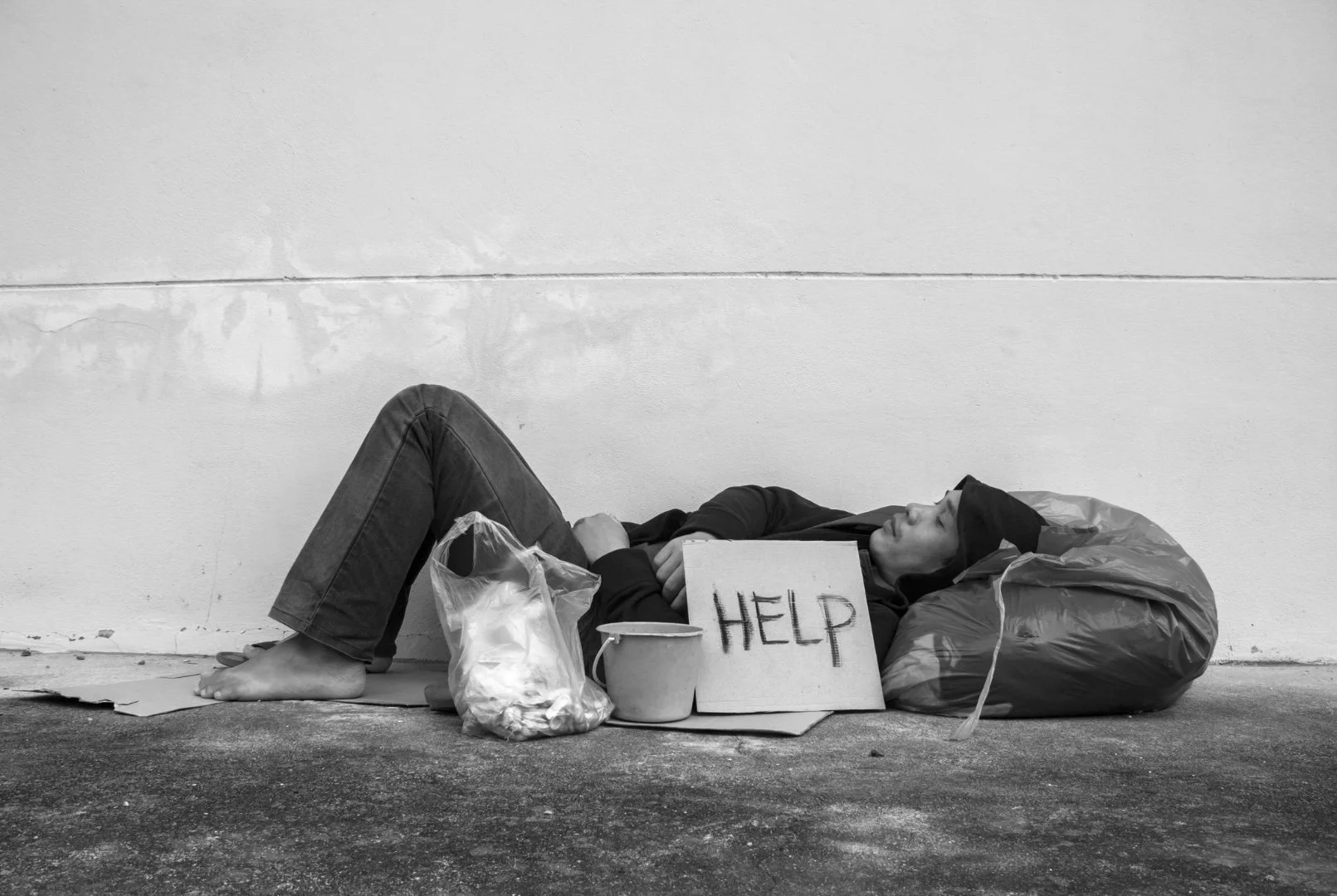
Before proceeding, if you feel you are in need of treatment, please contact your primary care physician or contact your local health department to get information on treatment facilities in your area. If you are experiencing an emergency, please seek immediate medical attention by contacting your physician or visiting your nearest emergency department.

"Addiction is a treatable, chronic medical disease involving complex interactions among brain circuits, genetics, the environment, and an individual’s life experiences. People with addiction use substances or engage in behaviors that become compulsive and often continue despite harmful consequences. Prevention efforts and treatment approaches for addiction are generally as successful as those for other chronic diseases."
Your Next Step
The disease of addiction holds little regard to one's age, race, gender, upbringing or socio-economic status. If you think you have a problem with addiction, just thinking that you do, is a major step in the right direction. Many have acted on such thought by reaching out for help. There are many people who understand just where you are at, what you are feeling and going through, and who are ready, willing and able to help you.
If you are ready to take the first step toward living a recovery-focused life, free of drugs and alcohol, ask for help. You will soon find you are not alone.
While many people seek treatment on their own volition, many others are helped along the way by family members, friends, doctors, employers, teachers, and members of the clergy. If you fall into one of these, or another, group(s), and are concerned about someone, please take the initiative in seeking help for the person. Your actions could save their life.